
The complete guide
The Ultimate Guide to Choosing a Solar Water Fountain
A solar water fountain does something a mains fountain can't: it runs anywhere the sun reaches, with no cable to bury, no socket to find and nothing added to your electricity bill. But the choice is wider than it first looks, and the right fountain depends on where the water is and what you want it to do. Here's what actually matters when you pick one.
Floating, corded or free-standing?
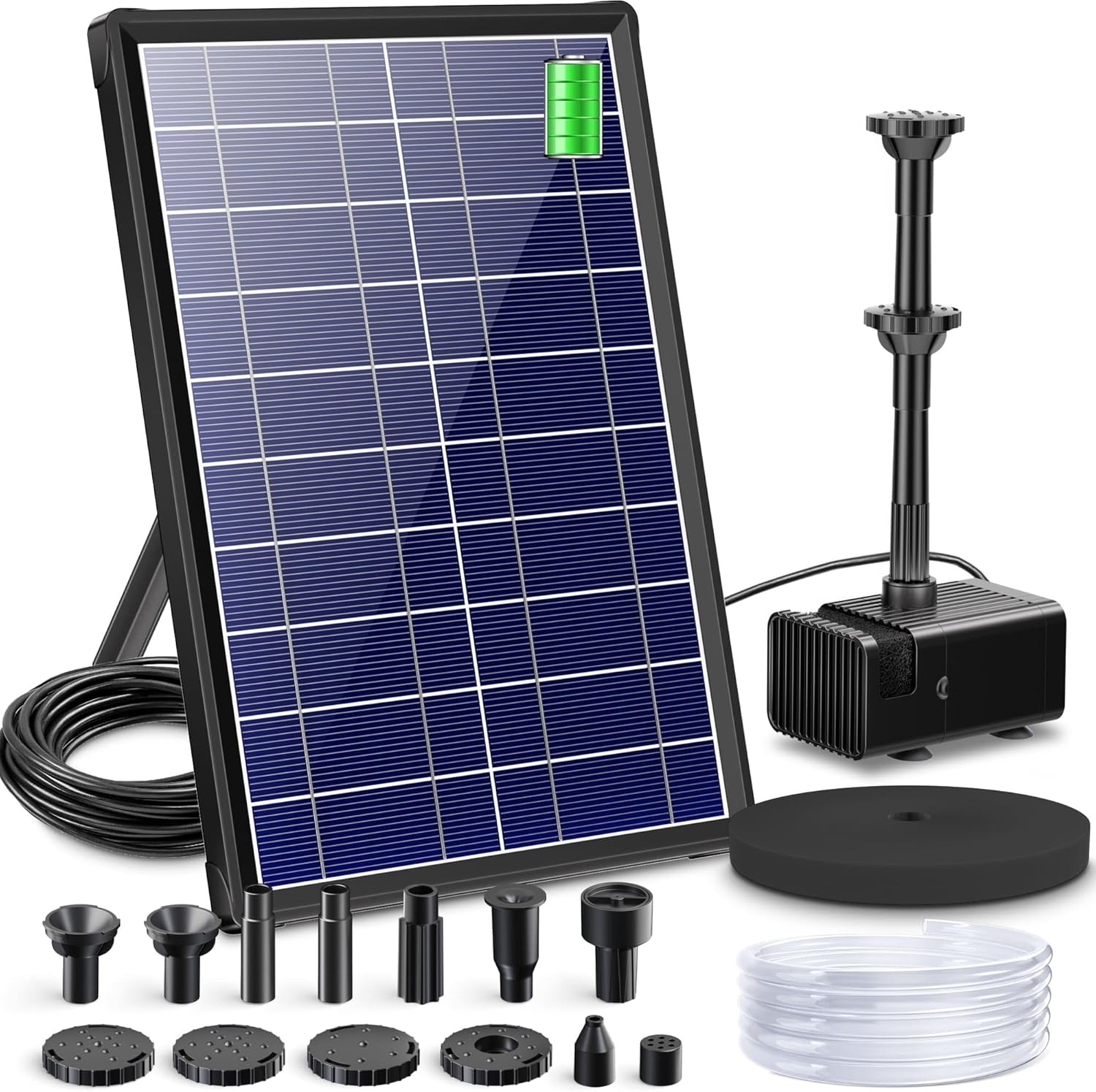
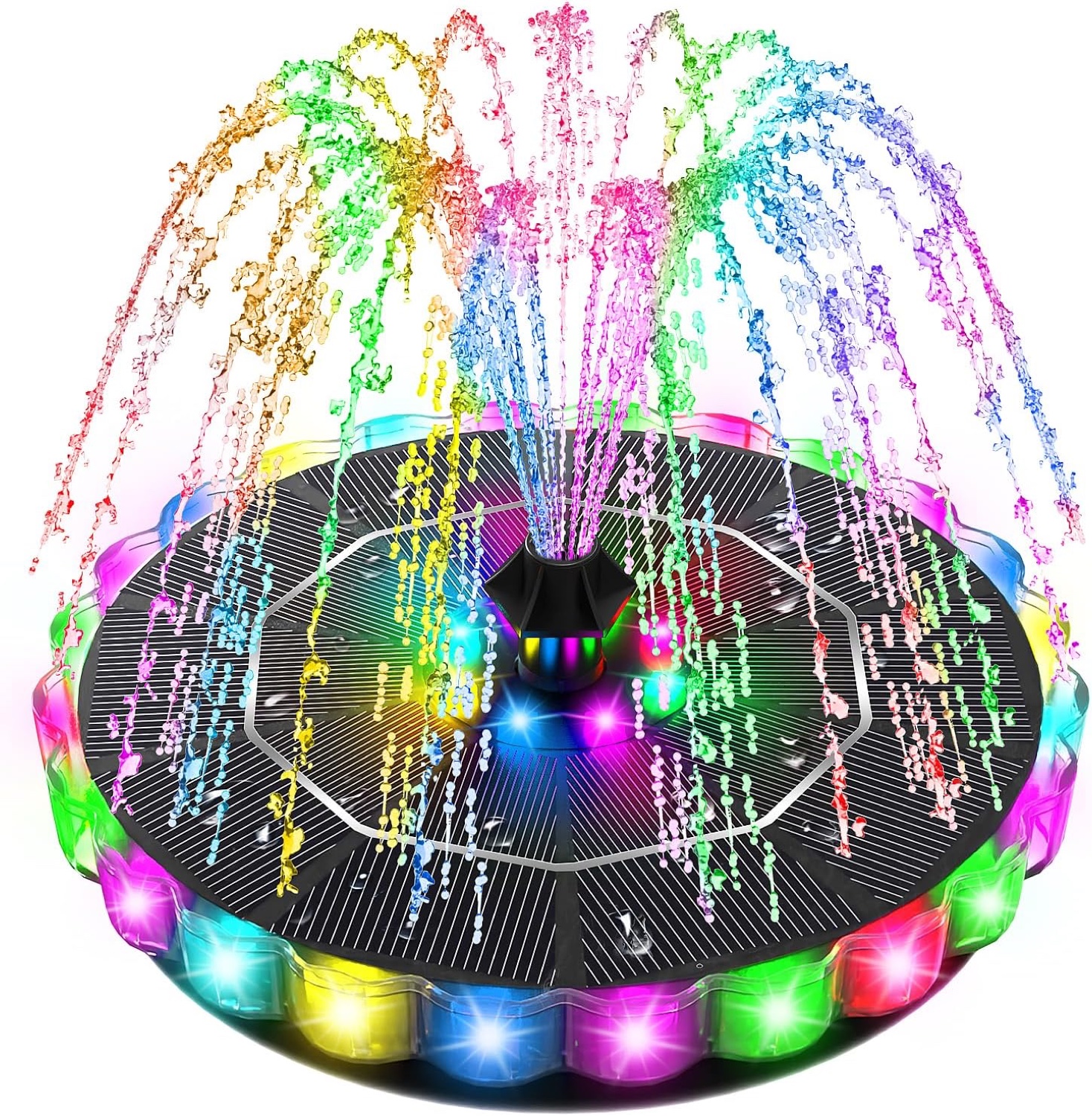
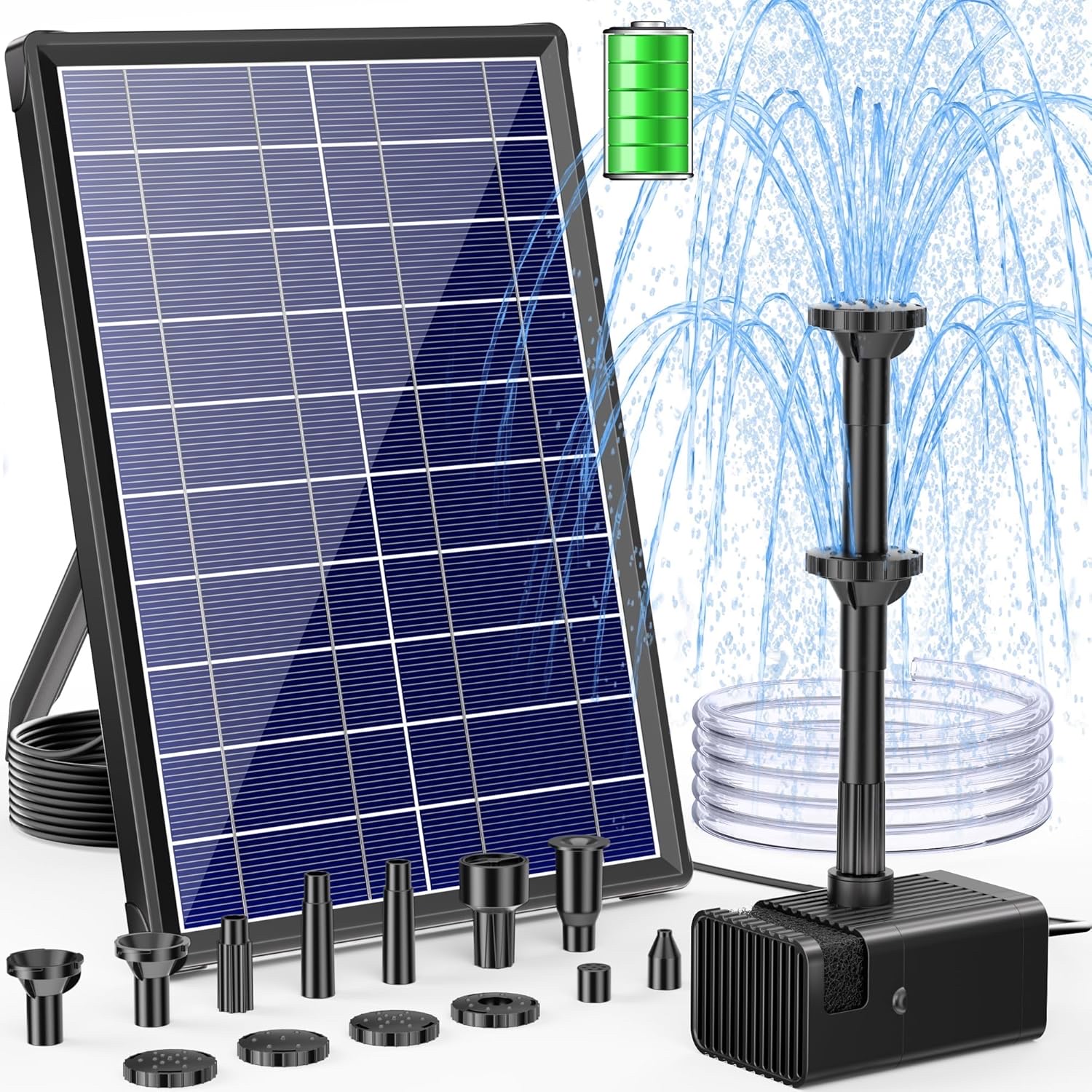
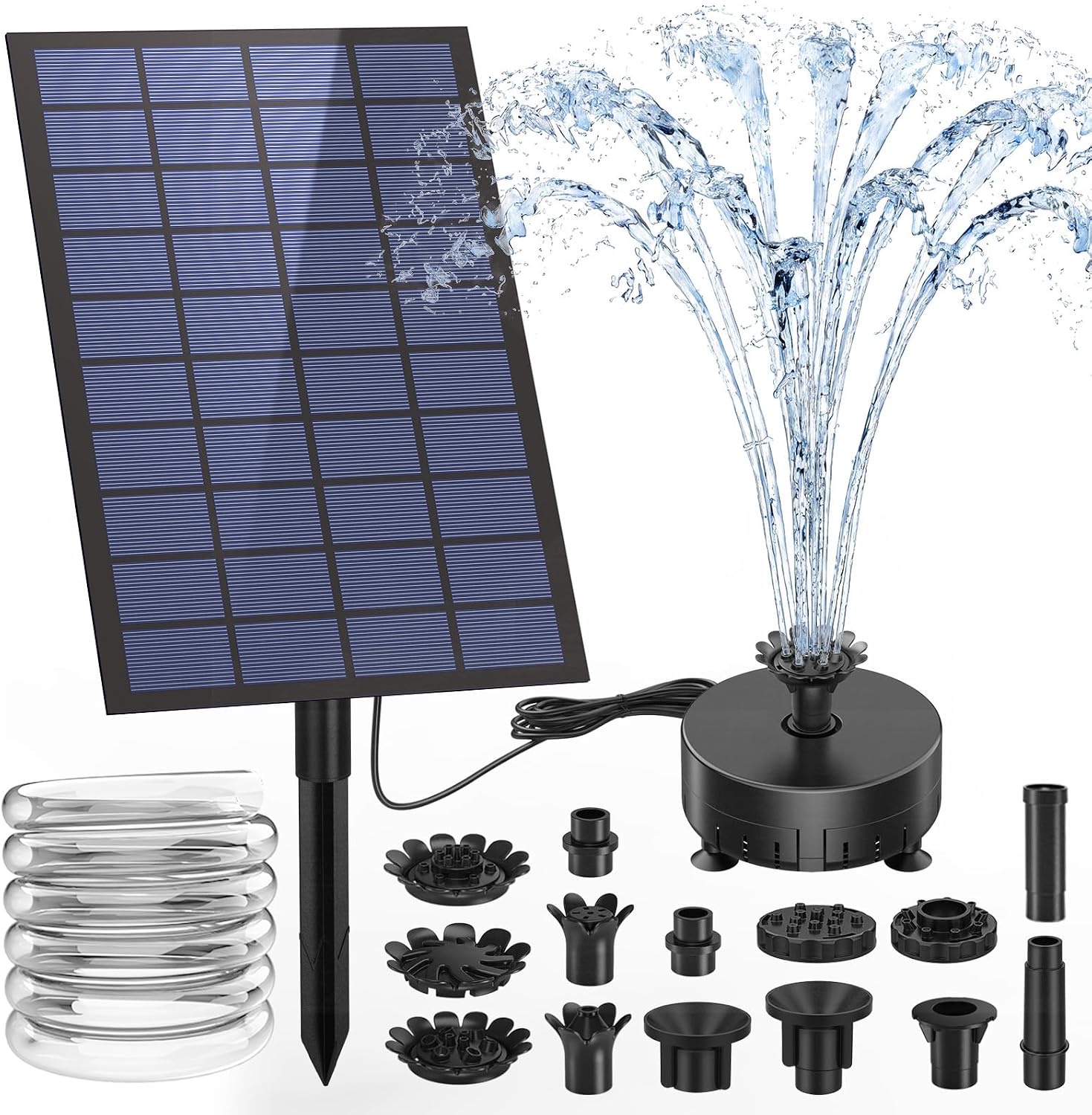
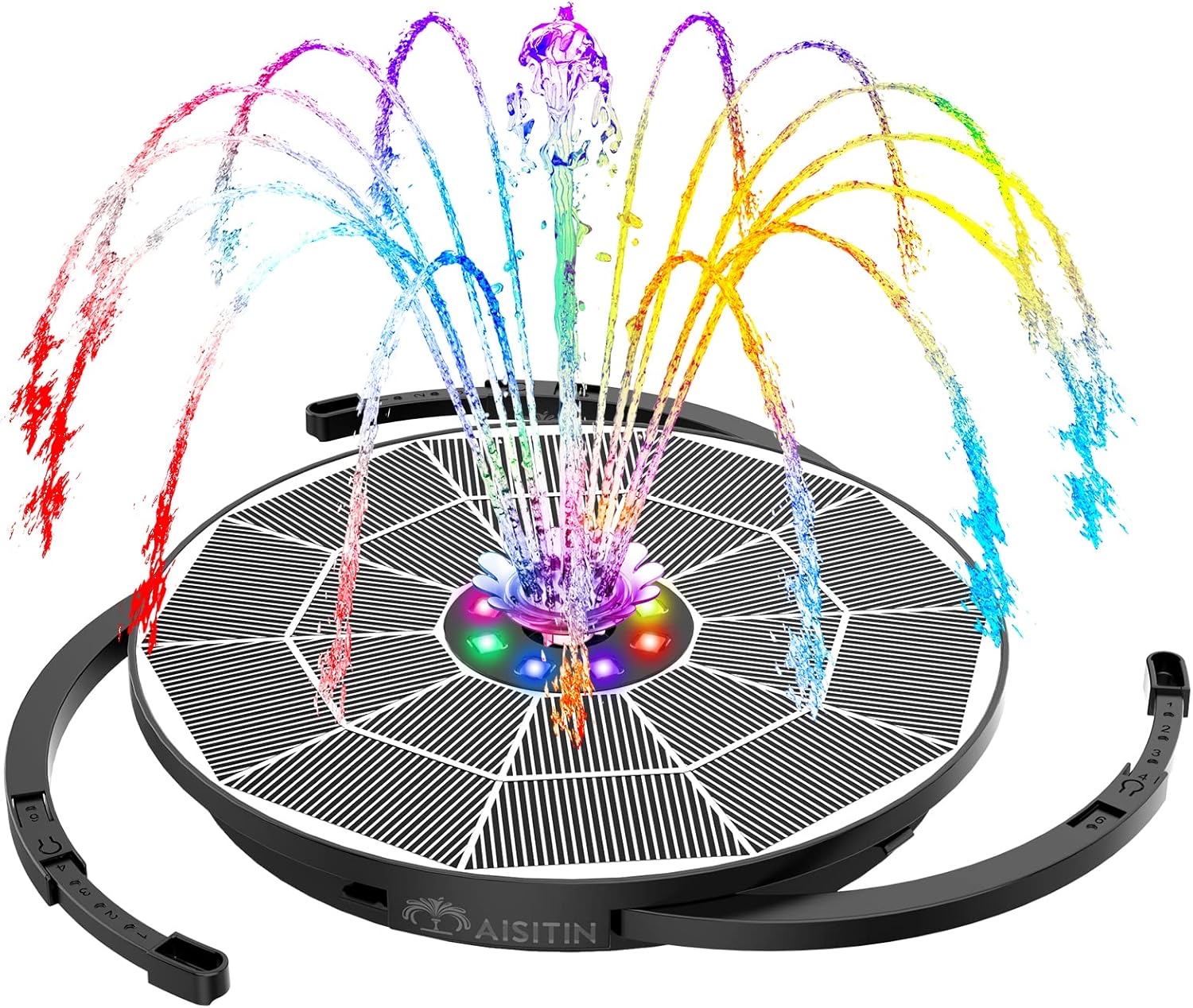
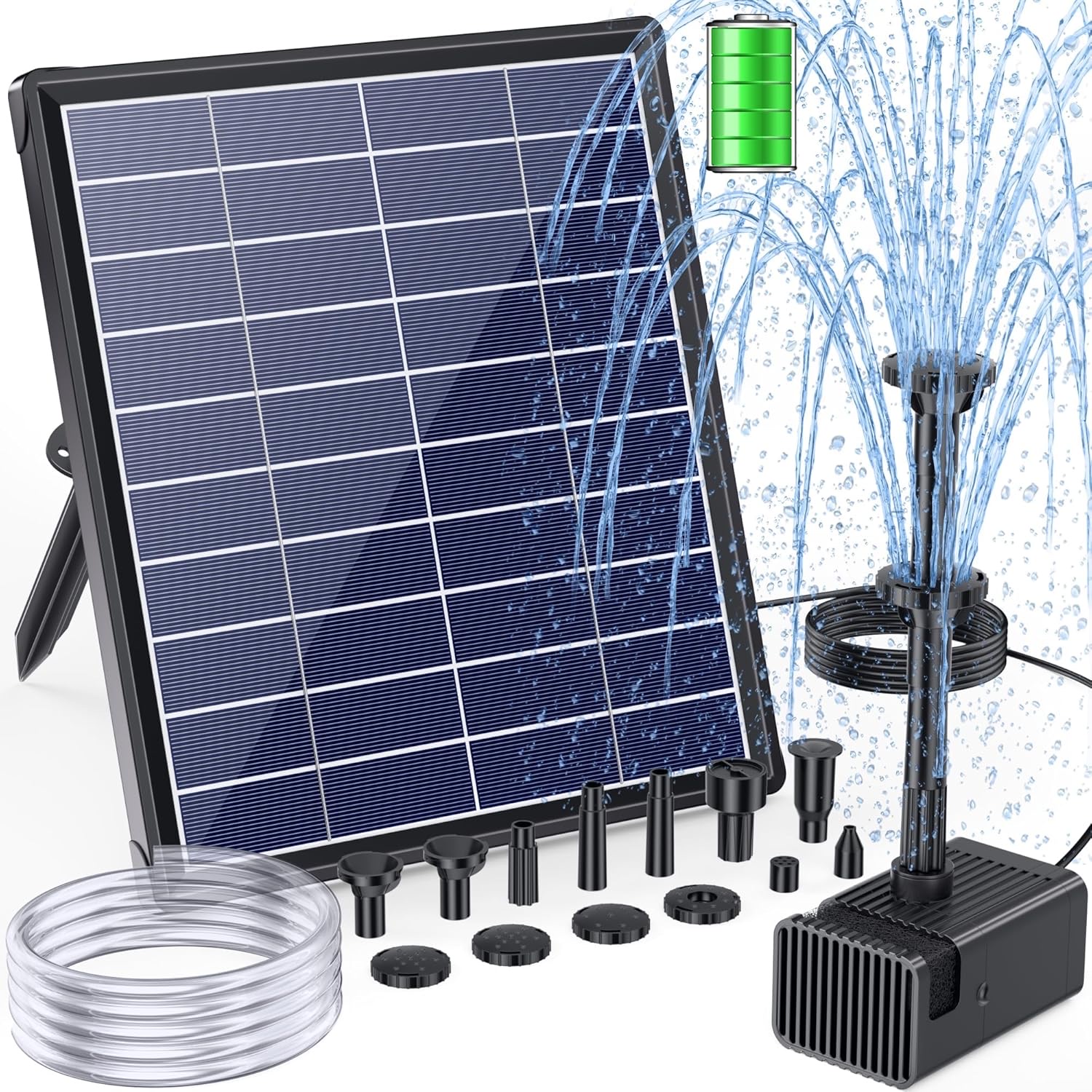
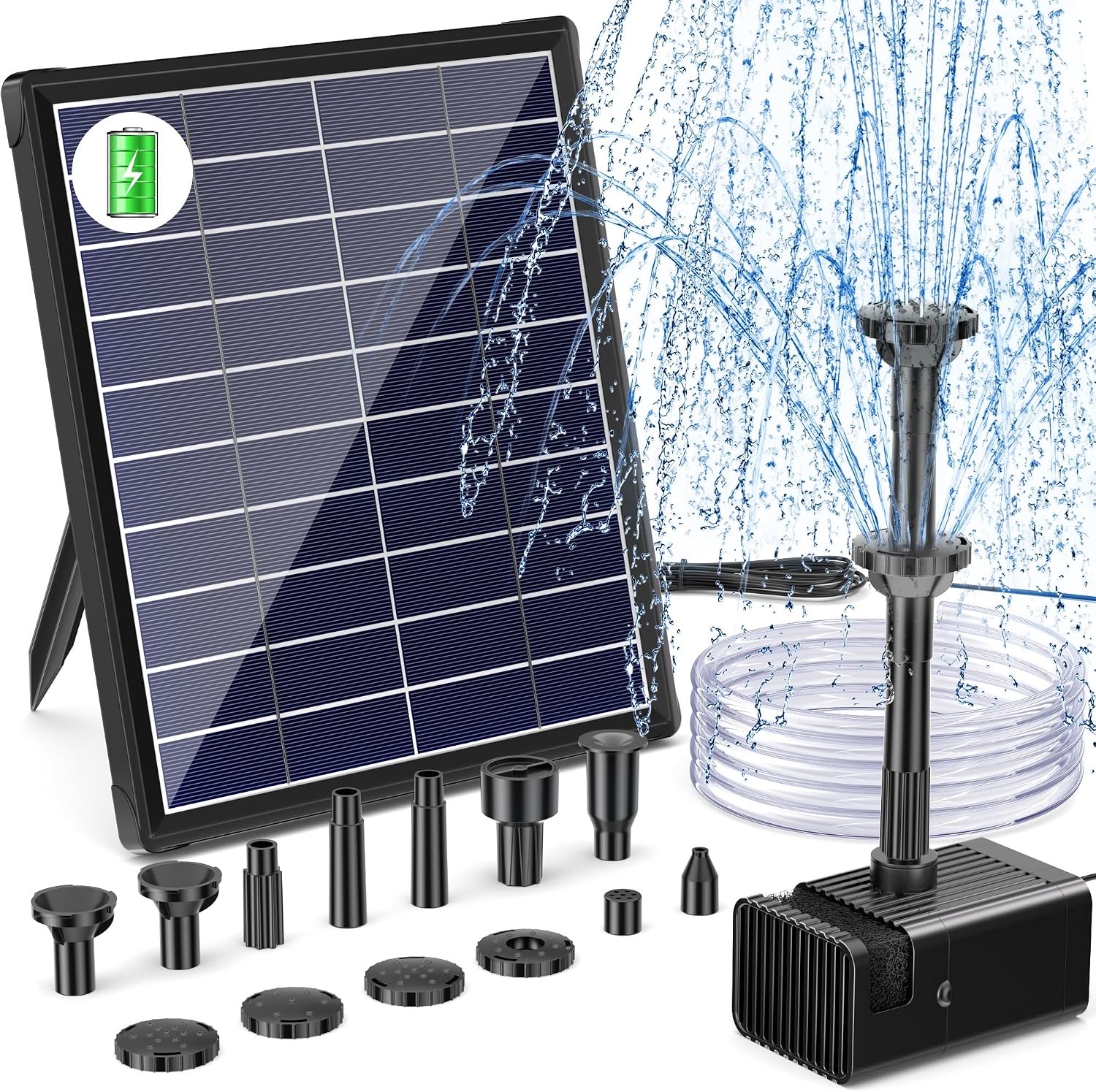
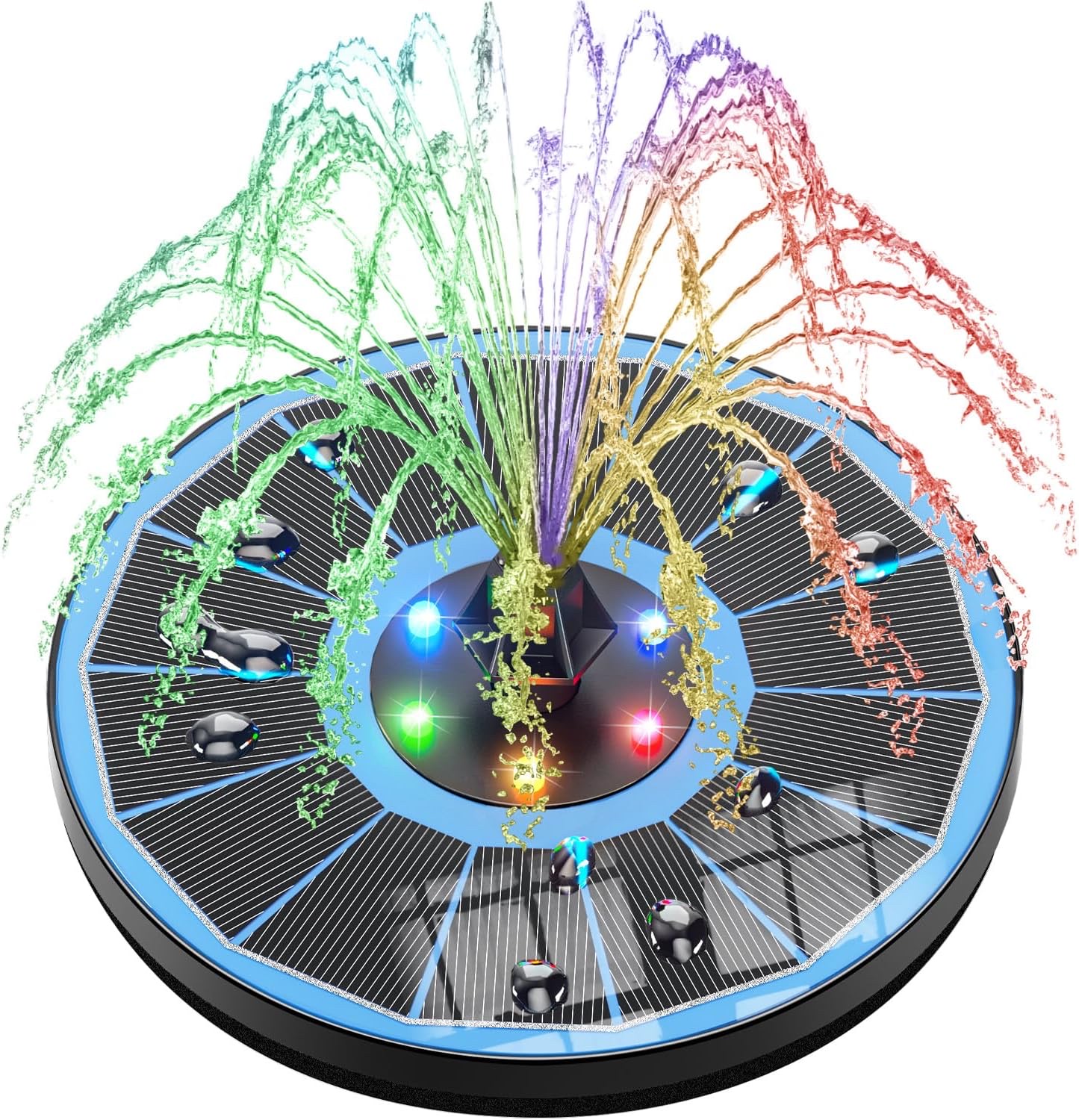
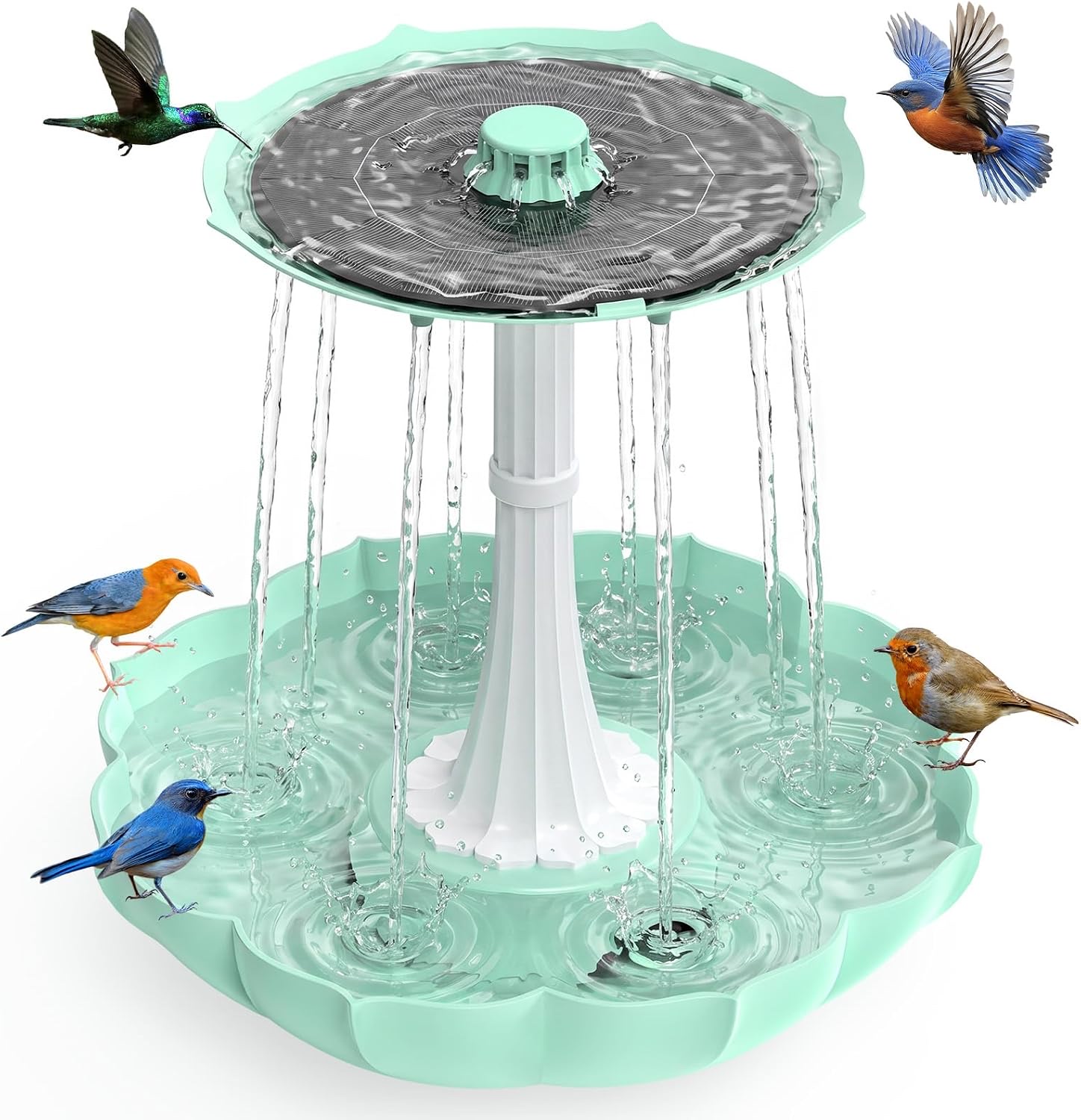
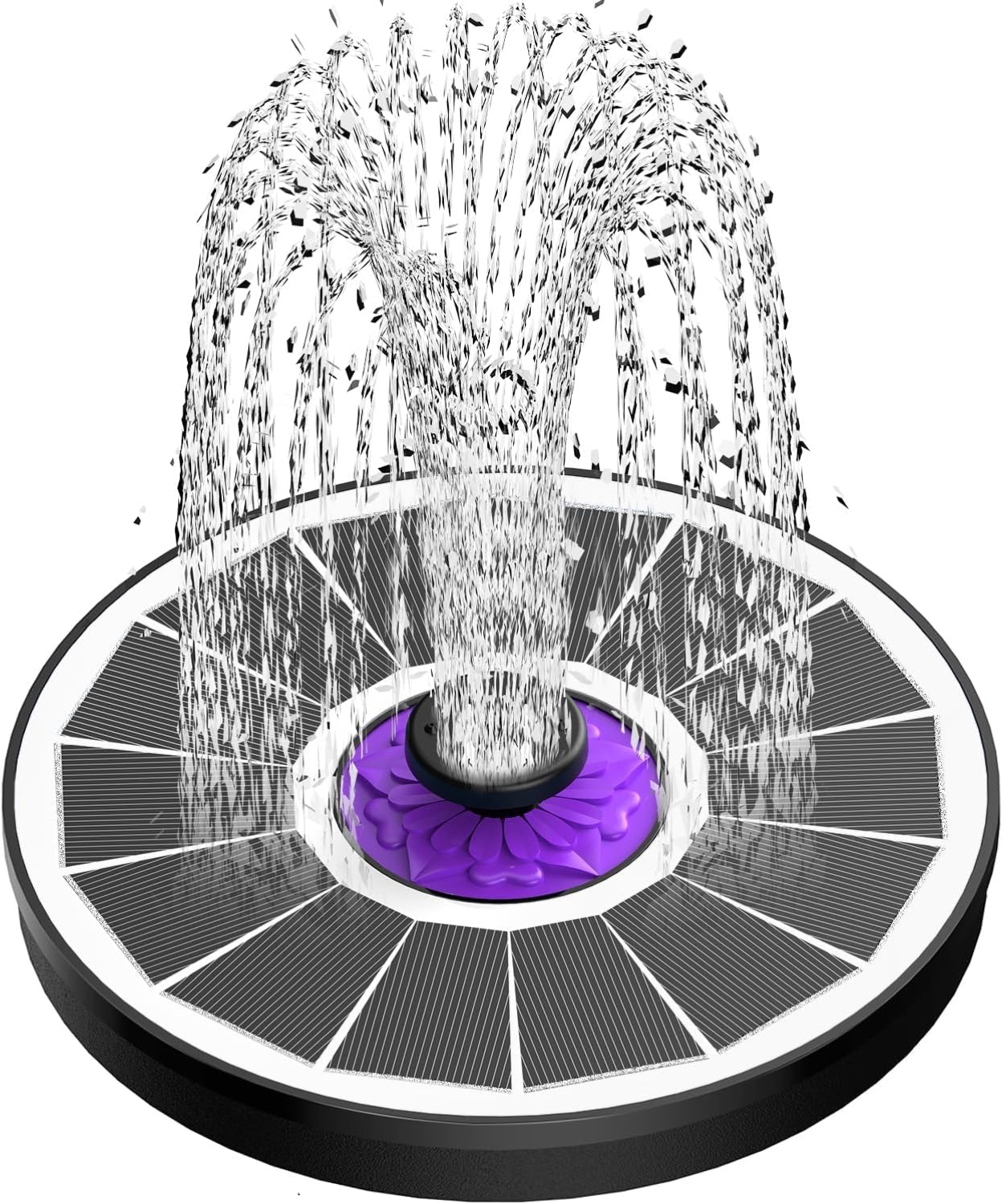
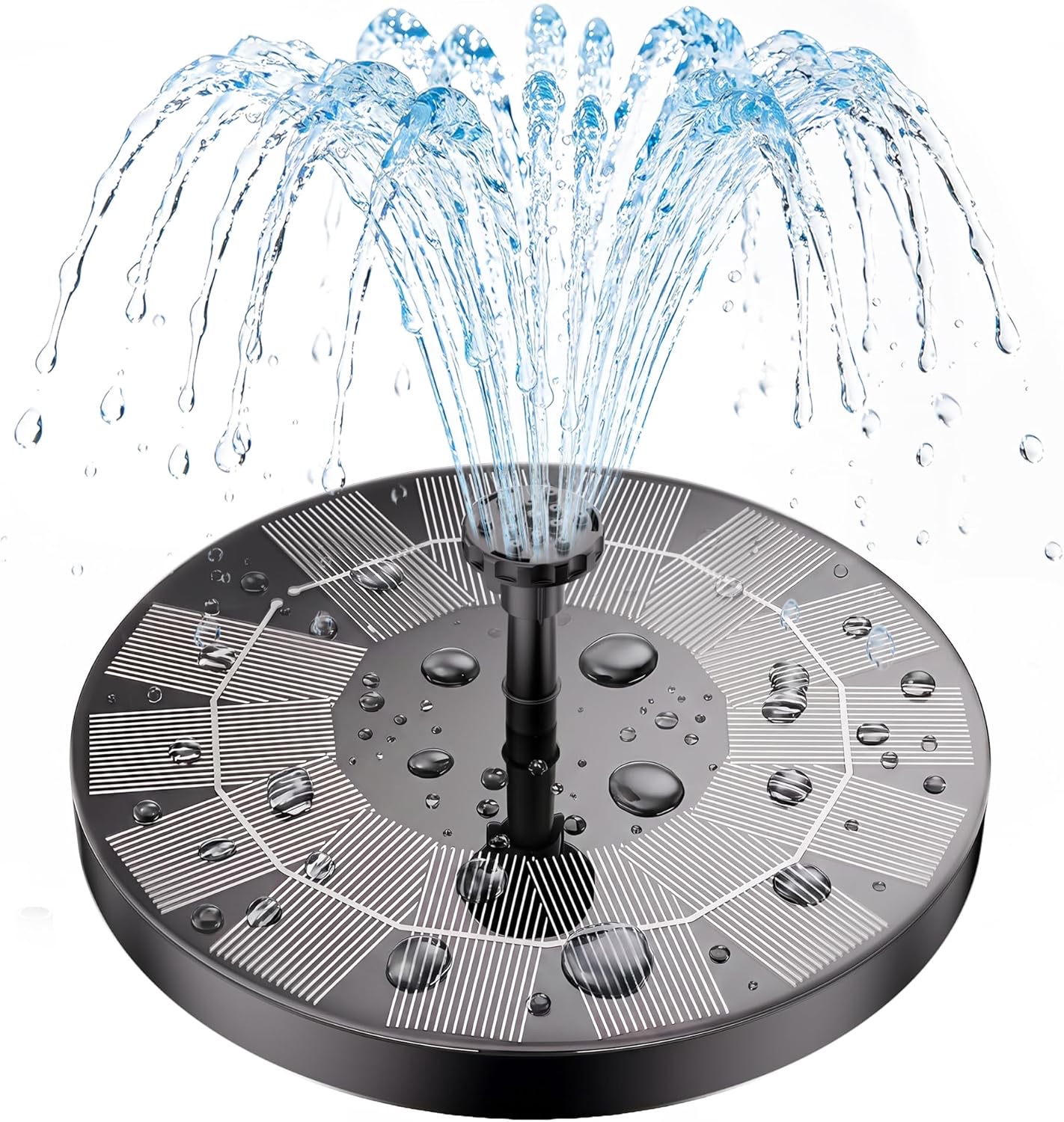
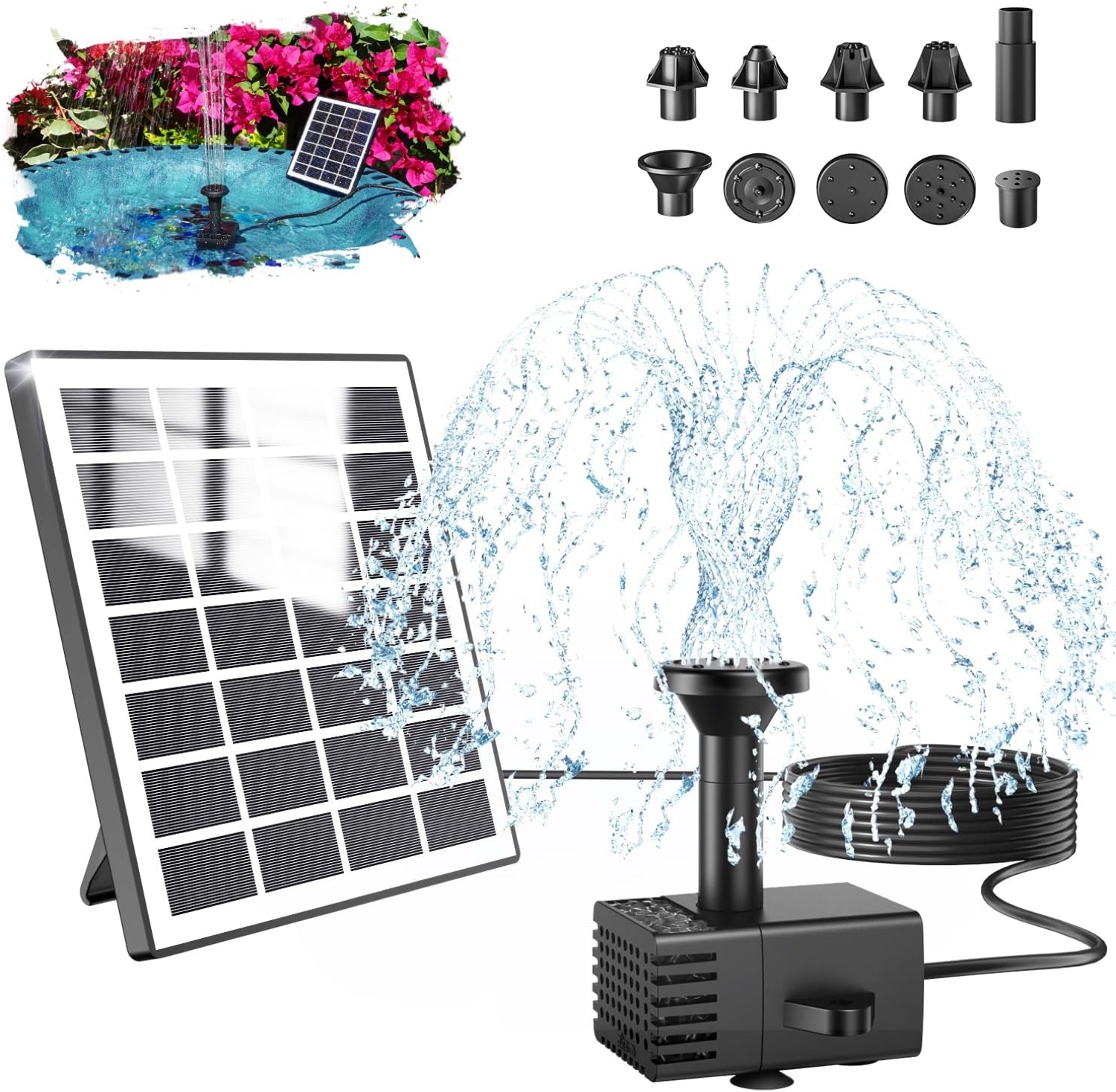
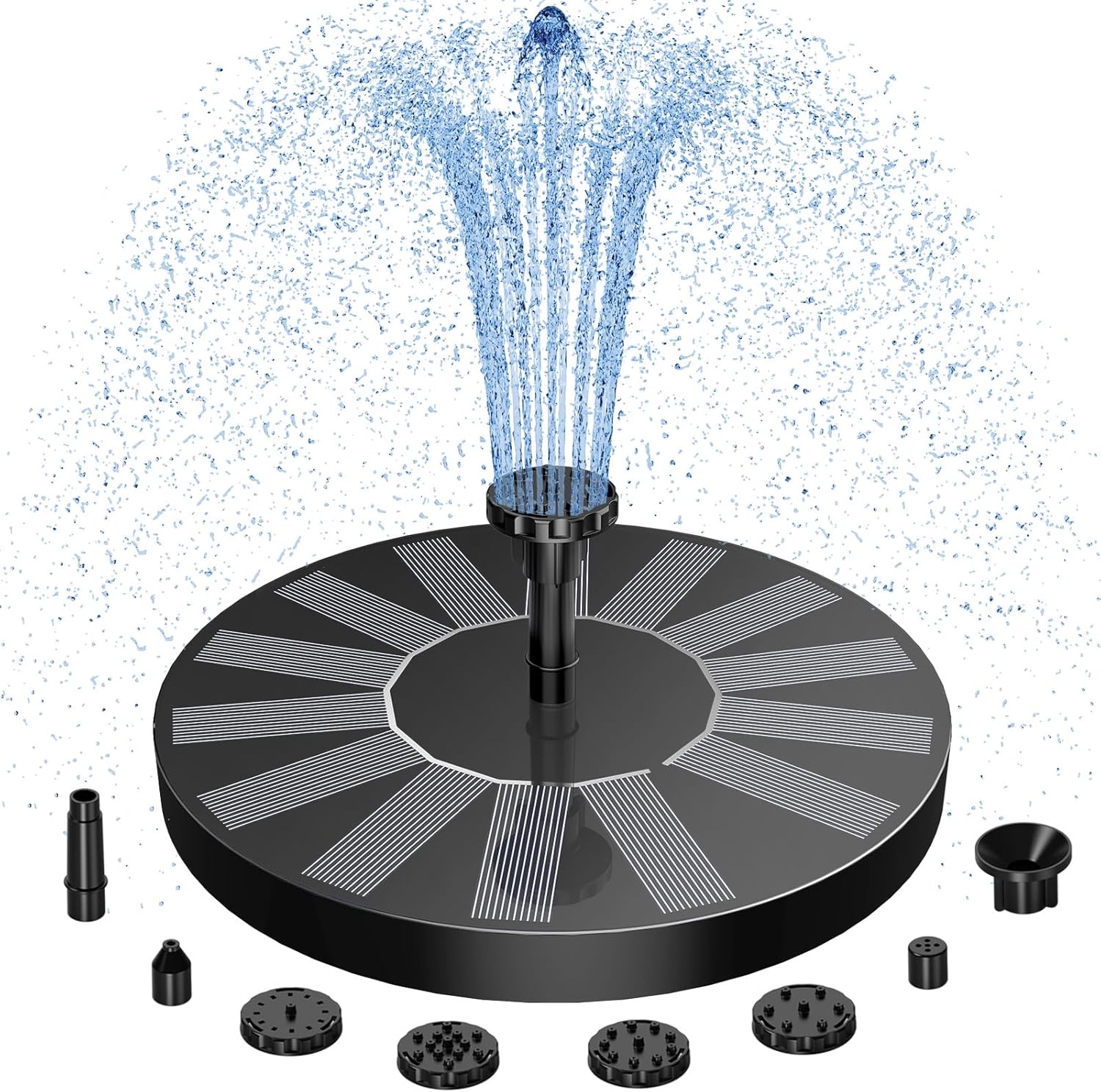
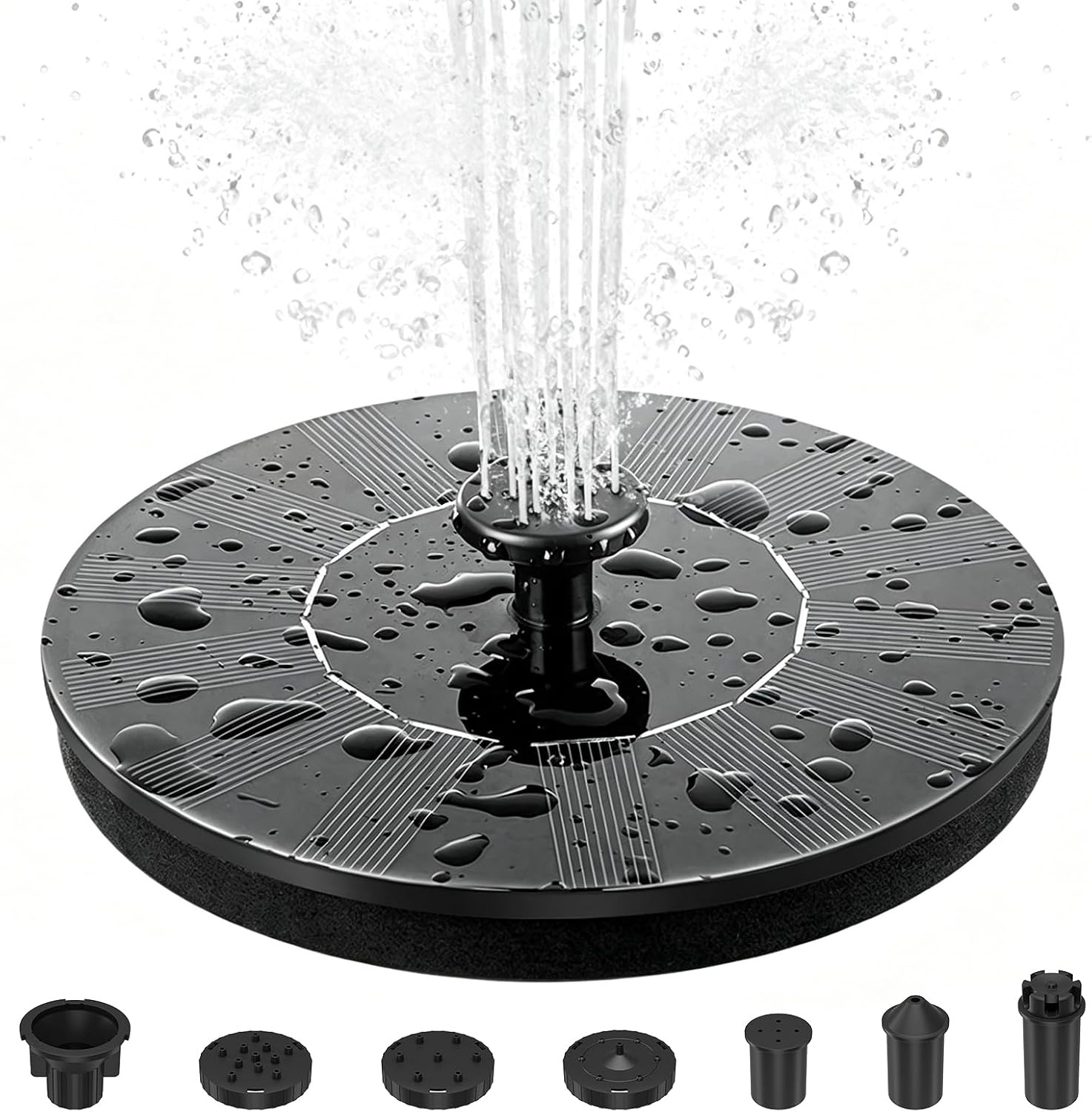
Most solar fountains are a floating disc: the panel and pump are one unit that sits on the water, which is perfect for a bird bath in full sun. If your water sits in shade — against a wall or under a tree — choose a corded model instead, so you can put the panel out in the sun and the pump in the shaded water. And if you have no pond or bird bath at all, a free-standing multi-tier fountain holds its own water and stands on a patio or lawn. Getting this right is the single biggest decision.
Panel power and how tall a jet you'll get
Panel size, measured in watts, sets how strong the pump is. A small 1–2.5W panel gives a gentle bird-bath spray; 3.5–4W adds height and can drive LEDs and a battery; and 6–8W models have the flow to move a real pond of several hundred litres and to lift water for a waterfall. Bigger isn't always better — a fierce jet in a small bird bath just throws water over the edge — so match the power to the size of your feature.
Do you need a battery?
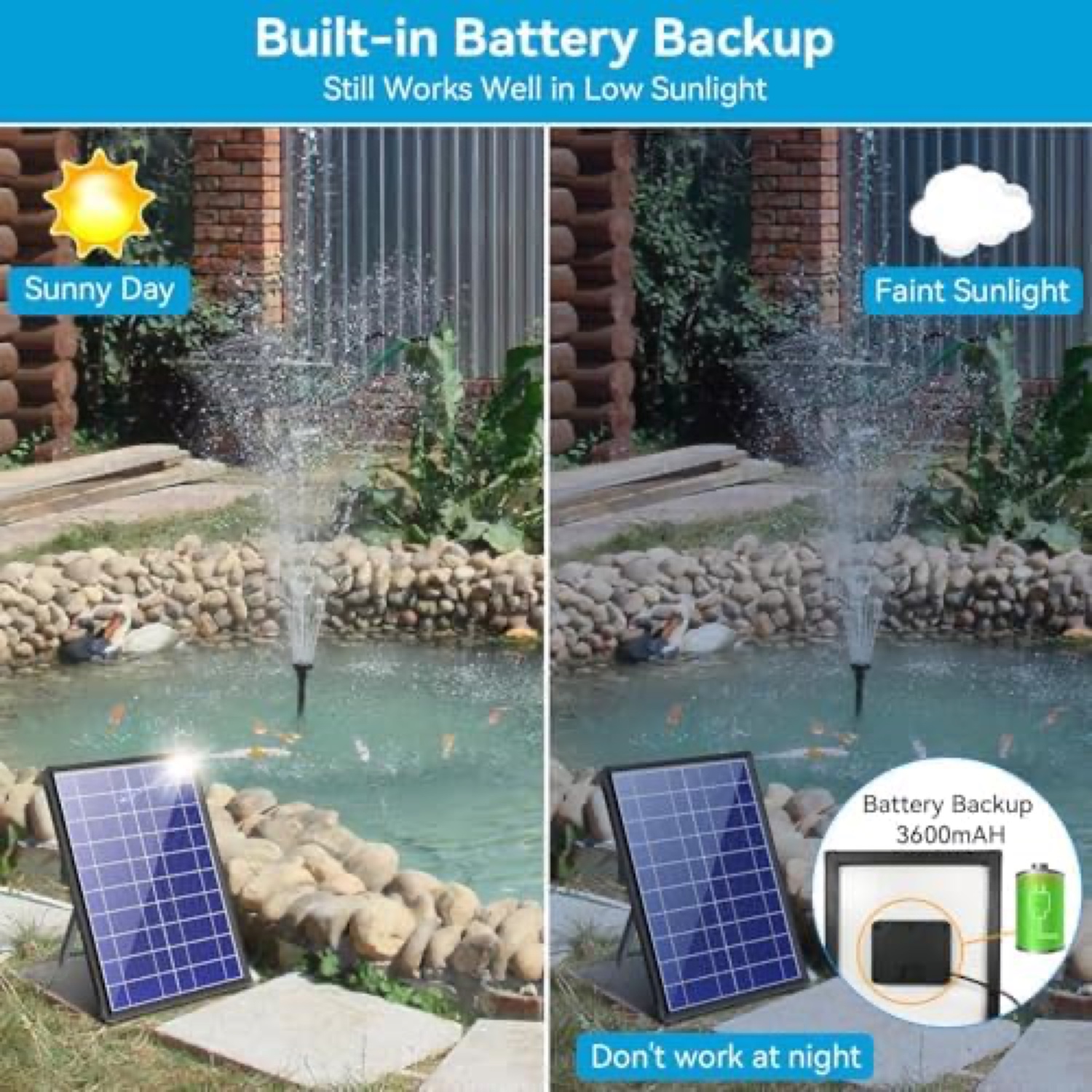
A basic solar fountain stops the moment a cloud crosses the sun, which some people find frustrating. A backup battery banks charge while the sun is out and keeps the flow steady through cloudy daytime spells; on some models it also lights LEDs after dark. No solar fountain pumps water all night — the battery smooths out the daytime and powers any lights — but if you want reliable running on a changeable British afternoon, a battery model is worth the extra.
Nozzles, wildlife and looking after it
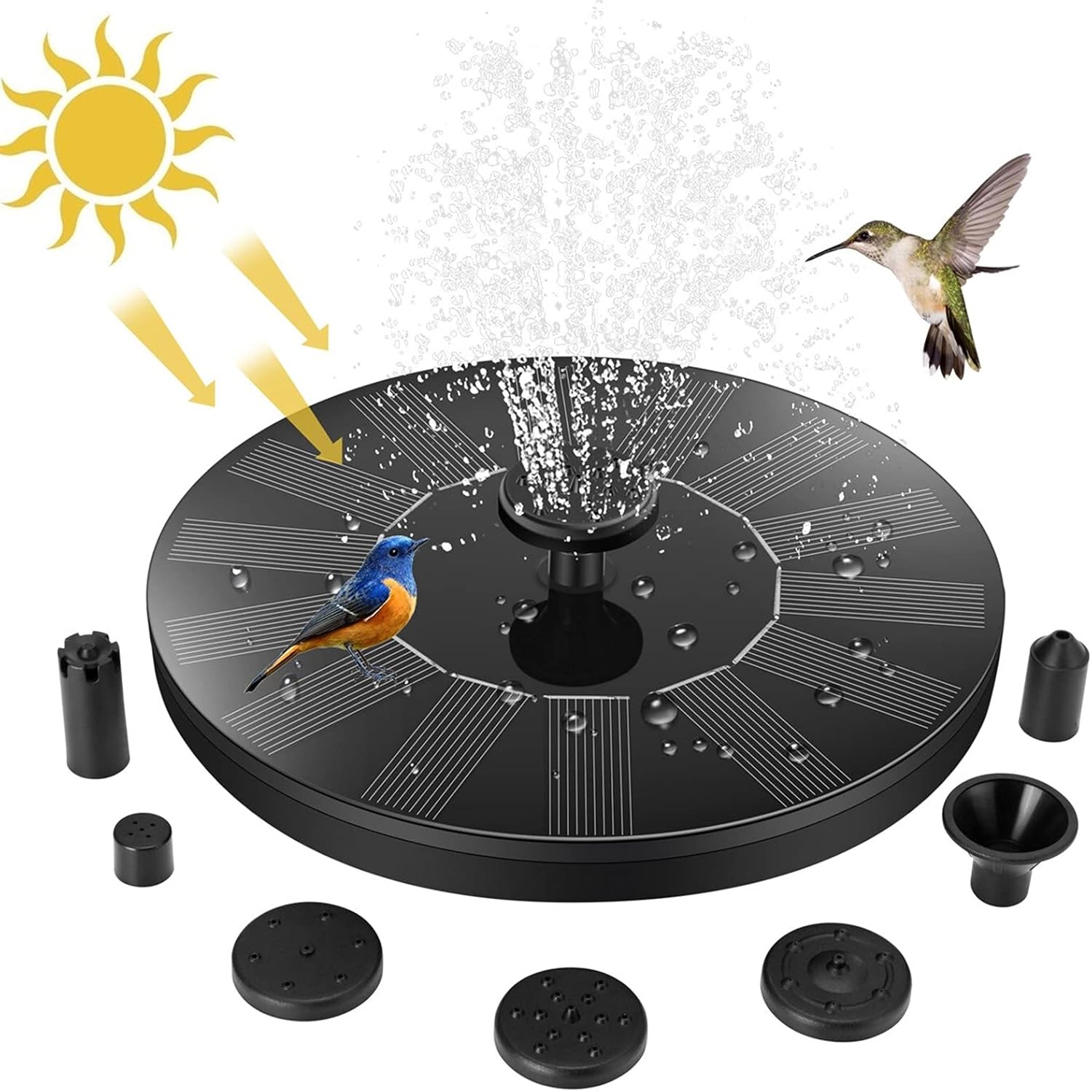
Most fountains come with a set of interchangeable nozzles that change the spray from a tall column to a soft dome; more nozzles mean more ways to tune the look. For wildlife, a low, gentle spray beats a tall jet — small birds can bathe without being blasted and the water stays in the basin. Look for anti-drift fixers that keep a floating fountain from wandering to the edge, and dry-run protection that stops the pump if the water runs low. Upkeep is minimal: wipe the panel, rinse the filter, keep the basin topped up, and bring the pump in over hard frosts.